
Location photography lets businesses create corporate images in the places where their teams actually work. Instead of putting every employee against the same studio background, companies can use offices, meeting rooms and other workplace spaces to add context to their photographs. The result can be more varied, practical and connected to the business itself.
Why Move Corporate Photography Beyond the Studio?
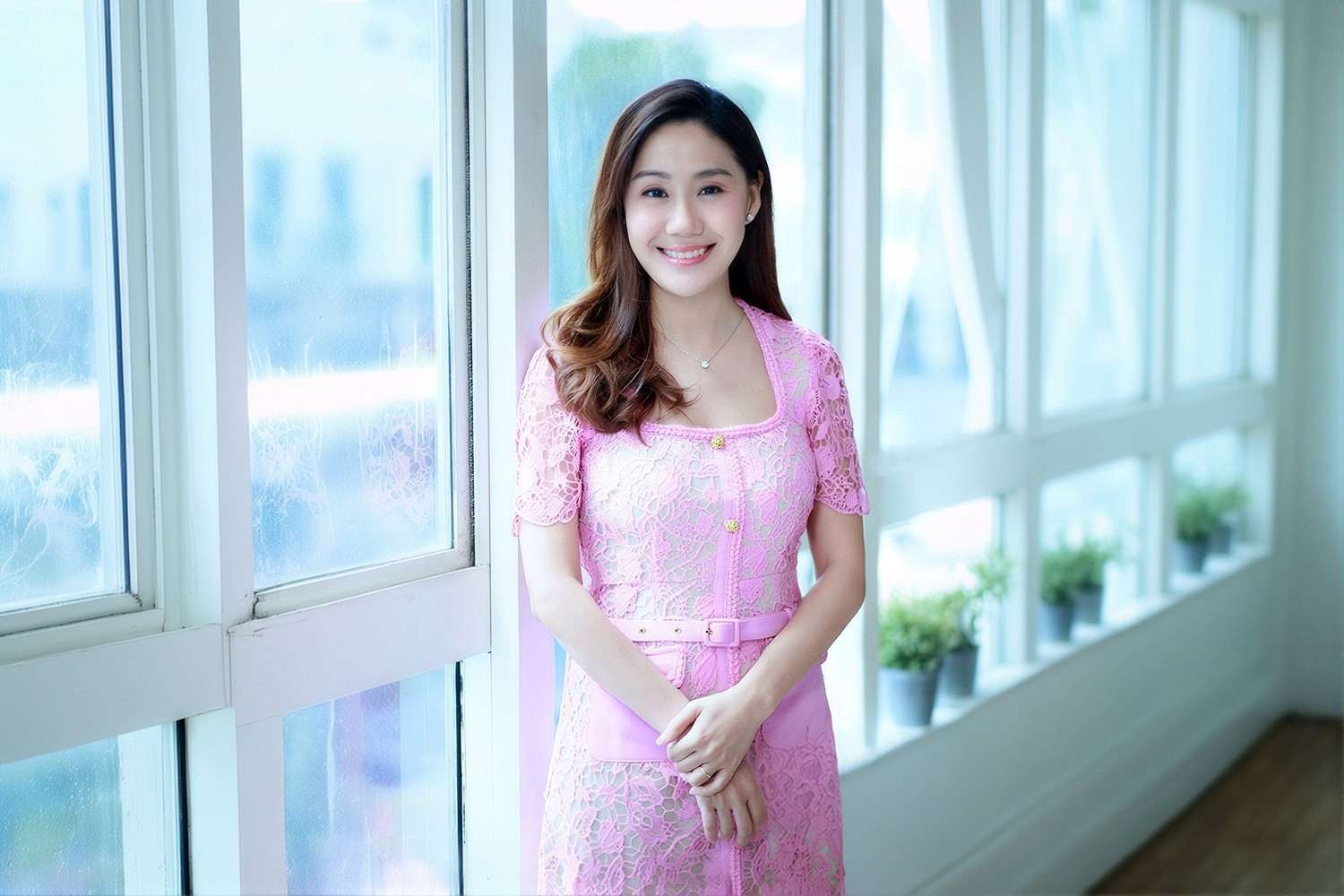
Traditional studio photography still has its place. A controlled background, fixed lighting and consistent setup make it useful for formal headshots.
But corporate visuals have changed. Companies now use photographs across websites, LinkedIn pages, annual reports, recruitment materials and internal communications. One plain headshot may not be enough.
Showing the Workplace
An office can tell people something about a company before they read a single line of text. A meeting-room photo can show collaboration. A team image around a shared workspace can give some context to how people work together.
Even a simple portrait near a familiar part of the office can feel more connected to the organisation than a completely neutral background. The setting does not need to look elaborate. It just needs to make sense for the image.
Making Corporate Images Feel More Relevant
Corporate photography can sometimes become repetitive. Same framing. Similar lighting. Similar poses. Location photography creates more room for variation. Employees can be photographed in different areas of the workplace while the photographer maintains a consistent visual approach.
That matters when a company needs a large collection of photographs rather than just a few executive portraits.
What Makes a Workplace Shoot Different?
Moving a shoot from a studio into an office changes the photographer’s job. There is less control over the environment, so preparation becomes more important.
Assessing the Space
Before taking photographs, the available areas need to be considered. Some parts of an office may have distracting backgrounds, poor lighting or too much activity.
Others may work surprisingly well. A photographer can identify suitable spaces for portraits, team photographs and wider workplace images. This also helps the shoot move without disrupting normal work too much.
Managing Light
Office lighting can vary considerably. Windows may create strong daylight in one area, while another part of the workplace may depend entirely on overhead lights.
Professional lighting helps the photographer control these differences and create more consistent photographs. This is one reason businesses looking for studio photographers may also want to consider photographers who can bring a controlled setup into the workplace.
Preparing the Team
Employees should know when they are being photographed and what the session involves. Simple preparation can make the process less disruptive. Clothing should suit the company’s working environment and the intended use of the photographs.
Employees may also need guidance on positioning, expressions or small adjustments during the session. Nobody needs to become a professional model. The photographer’s job includes making the process manageable.
How Location Photography Supports Brand Storytelling
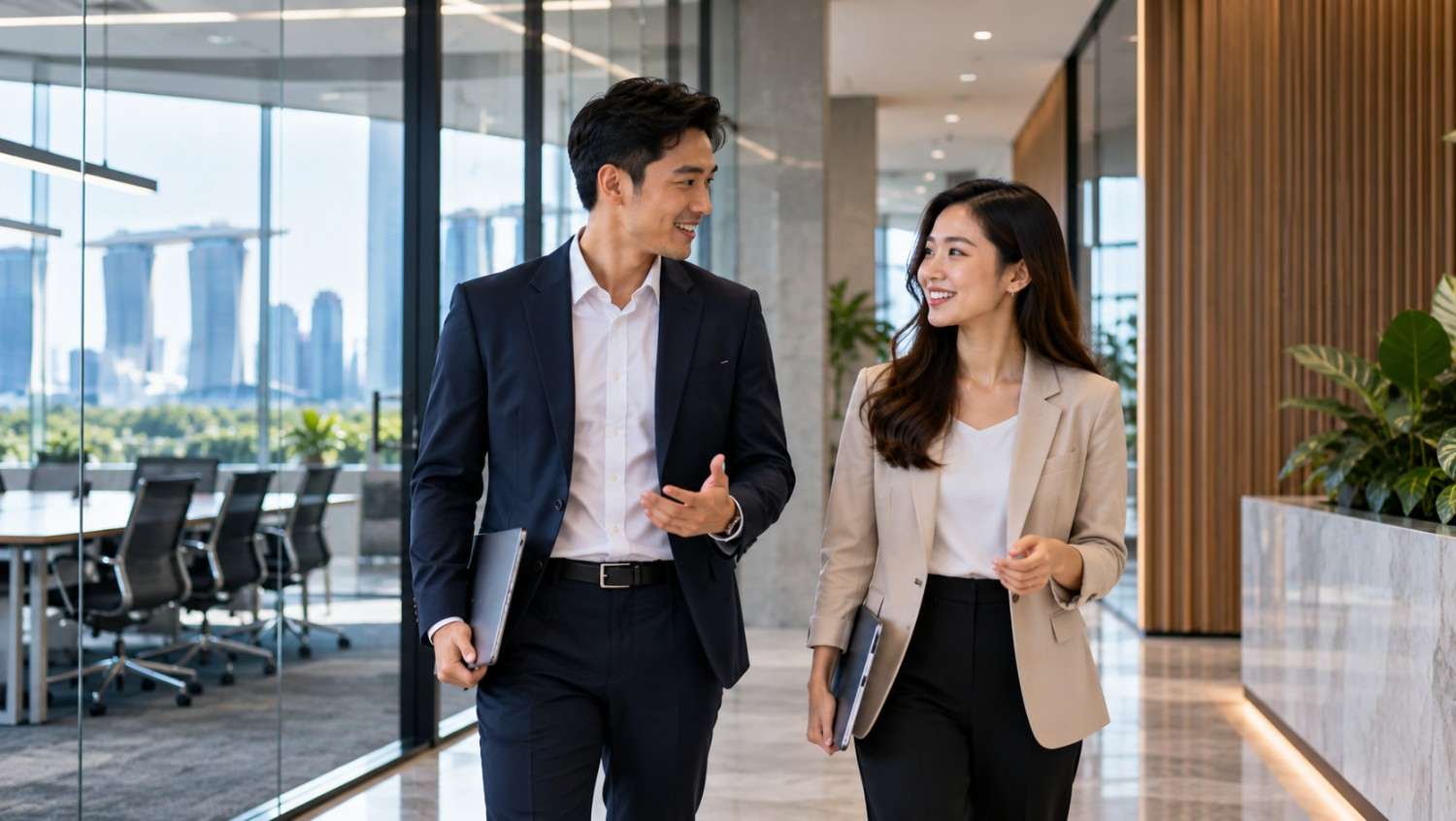
Corporate photographs do more than identify employees. Used properly, they can help communicate what a workplace looks and feels like.
Details That Add Context
Small visual details can change an otherwise generic portrait. A meeting table, office architecture, product display or company workspace can provide useful context.
The background should not overpower the person, though. There is a difference between showing the workplace and turning the photograph into a picture of the furniture.
Keeping the Brand Consistent
- Using the office does not mean every photograph should look completely different.
- A consistent approach to lighting, framing and styling can keep a set of workplace photographs visually connected.
- This is particularly useful when images are being used across several business channels.
- A portrait photoshoot can therefore include formal headshots as well as more relaxed workplace photographs, depending on what the business needs.
Practical Uses for Corporate Location Photography
One well-planned shoot can produce images for several purposes. That makes preparation particularly important.
Where Businesses Can Use the Images
|
Business use |
Suitable photography |
|
Company websites |
Team pages, leadership profiles and workplace sections |
|
Annual reports |
Executive portraits, team photographs and workplace imagery |
| Staff profiles |
Consistent individual photographs for employee pages |
| Social media |
Workplace images, team updates and company announcements |
|
Recruitment |
Photographs that show the working environment |
| Press materials |
Professional images of company representatives |
| Presentations | Team and workplace visuals for corporate communications |
The intended uses should be discussed before the shoot. A photograph designed for a staff profile may need different framing from one intended for a website banner.
Getting More From One Shoot
This is where planning pays off. A business may need formal portraits for its website, group photographs for an annual report and more natural workplace images for social media.
These can potentially be planned within the same session rather than treated as completely separate projects.
The photographer needs to know this beforehand, however. Different uses may require different compositions, backgrounds or orientations.
Making Employees Comfortable on Camera
Corporate photography involves people who may not regularly stand in front of a camera. That changes the atmosphere of the shoot.
A More Familiar Environment
Some employees may feel more comfortable being photographed in their own workplace. They know the surroundings and do not have to adjust to an unfamiliar studio environment.
This does not mean every person will automatically feel relaxed. Direction is still needed.
Simple instructions can help with posture, positioning and expression. Short sessions can also make the process easier for employees who have other work to return to.
Styling and Presentation
Professional styling can be useful when photographs will have a prominent public role. Hair and makeup services may be included where appropriate, while clothing and grooming should still reflect the company’s normal professional setting.
The aim is not to make everyone look identical. It is to create photographs that are polished while still looking like the people who work there.
Choosing the Right Approach for a Corporate Shoot
A corporate photographer in Singapore may work in a studio, at a company office or across several locations. The right setup depends on the purpose of the photographs.
A studio can make sense when the priority is highly consistent headshots. An office can be more useful when the business also wants workplace context, team interactions or images that support its wider brand story.
Bringing the Workplace Into Corporate Visuals
Beautybox Studio offers mobile on-site setups with professional lighting, backdrops and photography, with optional hair and makeup services. This allows businesses to create controlled portraits without moving their teams away from the workplace.
For businesses considering corporate photography services, the important question is what the photographs need to communicate. A formal portrait may introduce an employee. A workplace image can show where that person works. Used together, they can create a fuller visual picture of the organisation.
That is the real value of moving beyond the studio: the location becomes part of the story, rather than simply a background.